Japanese lessons built around you 🌷

Your Japanese
Should Sound Like You.

Learning Japanese isn’t only about finding the “correct” expression.

It’s also about discovering how you want to communicate.

Your personality, your voice, your experiences — they don’t have to disappear when you speak Japanese.
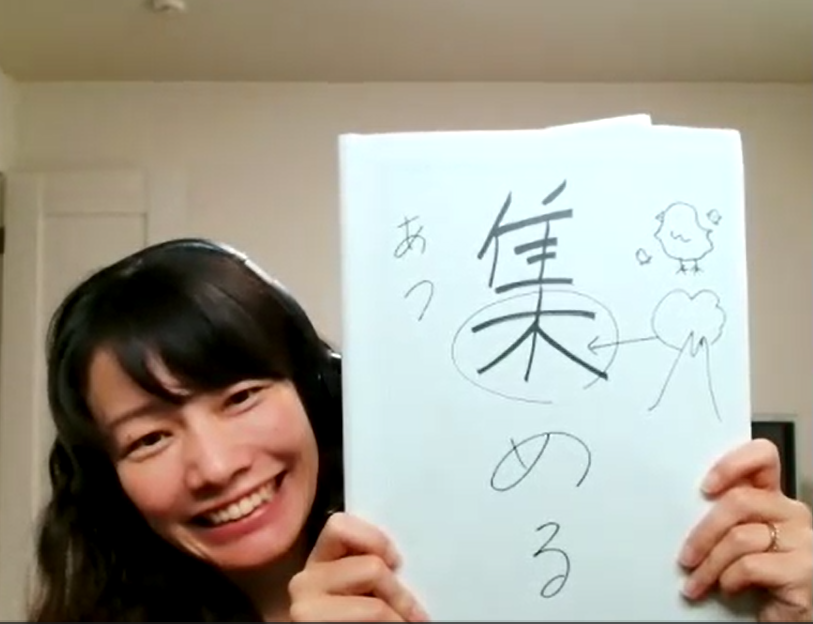
Japanese teacher smiling while explaining the kanji 集
This is what lessons often look like!
✿

There isn’t just one way to sound natural in Japanese.

Some learners want to sound softer. Some want to sound professional. Some want to feel more relaxed when talking with friends.

And sometimes, a learner surprises me.

“Actually… I want to sound a little rude.” 😆

That was one of the moments that made me think: Ah, I see. That’s interesting!

Maybe my job isn’t always to make someone’s Japanese more polite, more formal, or more like everyone else’s.

WHAT I CARE ABOUT

Understand how it sounds.
Then choose how you want to sound.

Japanese has different speaking styles, levels of politeness, rhythms, and many ways of expressing the same idea.

I want my students to understand those differences — not so that I can choose for them, but so that they can choose for themselves.

Correct Japanese is important.
But knowing how your Japanese sounds — and choosing intentionally — matters too.

What does that look like in a real lesson?

Here are a few moments from lessons that stayed with me.

REAL LESSON STORY 01

“I just want to sound more natural.”

One of my students could already communicate well in Japanese, but wanted to sound more natural when speaking.

So during our conversations, we started paying closer attention to rhythm, pauses, and intonation.

We looked at where a small pause could make a sentence sound more natural, which words flowed together, and how changing the intonation could change the overall impression.

Then one day, the student happily told me:

“Someone didn’t just say, ‘Your Japanese is good.’
They told me, ‘You’re fluent in Japanese!’”

For this student, being told “You’re fluent!” was the highest compliment. 😊

When a student notices the change they were hoping for in their real life — and comes back excited to tell me about it — that makes me happy too.

REAL LESSON STORY 02

Which expression sounds more like you?

教えてください。
教えていただけませんか。

Both expressions can be correct. But they don’t create exactly the same impression.

One learner I worked with was sincere, listened carefully to other people, and wanted to communicate respectfully.

So we talked not only about whether the Japanese was correct, but also about the impression each expression could give.

For this learner, 教えていただけませんか matched the way they wanted to communicate.

Sometimes there is more than one correct expression.
When that happens, we can also think about which one feels right for you.

REAL LESSON STORY 03

“But I want to sound a little rude.” 😆

A learner once made a sentence that sounded a little impolite in Japanese.

My first instinct as a teacher was to help, so I showed them a more polite way to express the same idea.

Then the learner told me something I wasn’t expecting.

“But that’s kind of my personality. I want that to come through in Japanese too.”

And I thought: Oh! I see.

If a learner doesn’t realize that an expression sounds rude, that’s useful information for me to explain.

But if they understand the nuance, understand how the sentence may sound to a Japanese speaker, and intentionally choose it — that’s a different story.

Sometimes good Japanese isn’t about choosing the “nicest” expression.
It’s about knowing what your words communicate and making your own choice.

And yes… sometimes grammar practice gets pretty funny. 😂

When I ask this learner to make example sentences using a new grammar point, I sometimes get surprisingly dark jokes in return. If the grammar works and they understand what they’re saying, I have to admit — sometimes I just laugh.

I don’t want to erase you from your Japanese.

Of course, I’ll tell you when something sounds unusual, too direct, very formal, too casual, or different from what you may have intended.

That’s part of learning a language.

But once you understand the difference, I want you to have choices.

“I know how this sounds.
And this is how I want to say it.”
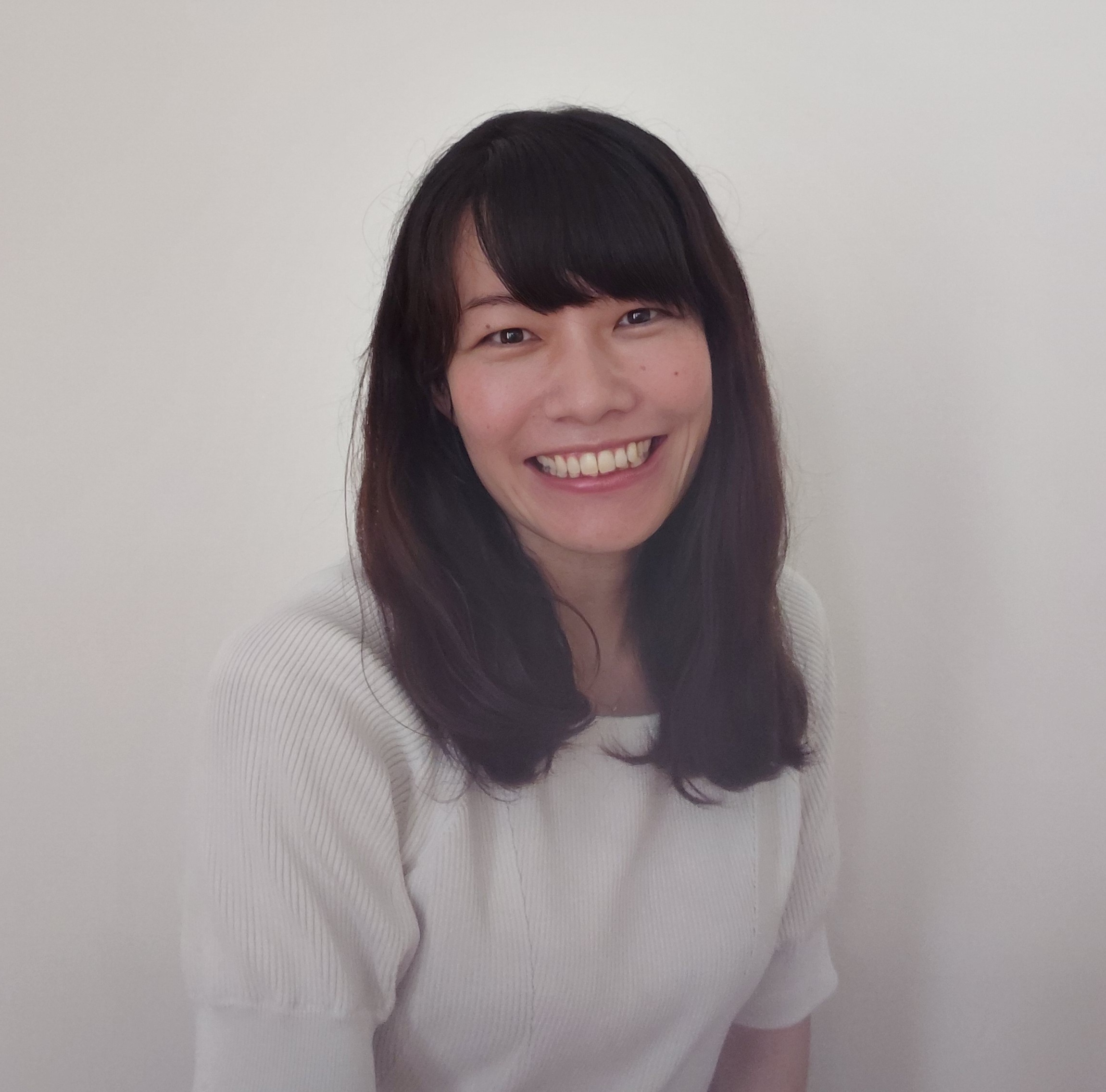
Japanese teacher at Niko Niko Japanese
🌷

Japanese is a language.
But it’s also your voice.

I love grammar, pronunciation, vocabulary, and all the small details that make Japanese interesting.

But what I enjoy most is seeing what happens when a learner starts using Japanese to express their own ideas, personality, humor, and way of thinking.

Sometimes we practice. Sometimes we experiment. Sometimes we stop and ask, “How does this sound to Japanese ears?”

And sometimes we laugh. 😊

That’s part of learning too.

Ready to try a lesson? 🌷

You don’t need to know exactly what you want to study yet. Let’s talk, try some Japanese, and see what feels right for you.

Book Your Trial Lesson → 45-minute trial lesson · Free