Your Japanese
Should Sound Like You.
Learning Japanese isn’t only about finding the “correct” expression.
It’s also about discovering how you want to communicate.
Your personality, your voice, your experiences — they don’t have to disappear when you speak Japanese.
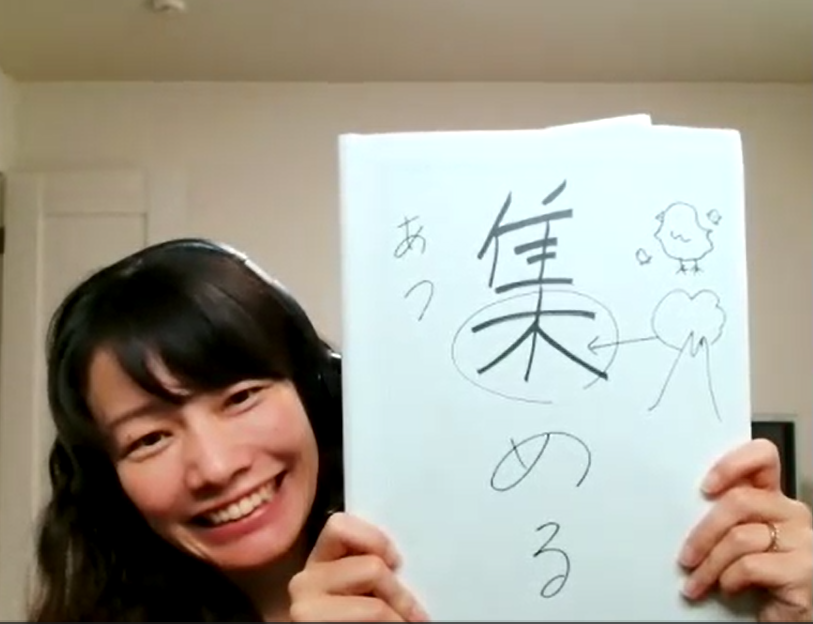
There isn’t just one way to sound natural in Japanese.
Some learners want to sound softer. Some want to sound professional. Some want to feel more relaxed when talking with friends.
And sometimes, a learner surprises me.
That was one of the moments that made me think: Ah, I see. That’s interesting!
Maybe my job isn’t always to make someone’s Japanese more polite, more formal, or more like everyone else’s.
Understand how it sounds.
Then choose how you want to sound.
Japanese has different speaking styles, levels of politeness, rhythms, and many ways of expressing the same idea.
I want my students to understand those differences — not so that I can choose for them, but so that they can choose for themselves.
Correct Japanese is important.
But knowing how your Japanese sounds —
and choosing intentionally — matters too.
I don’t want to erase you from your Japanese.
Of course, I’ll tell you when something sounds unusual, too direct, very formal, too casual, or different from what you may have intended.
That’s part of learning a language.
But once you understand the difference, I want you to have choices.
“I know how this sounds.
And this is how I want to say it.”

Japanese is a language.
But it’s also your voice.
I love grammar, pronunciation, vocabulary, and all the small details that make Japanese interesting.
But what I enjoy most is seeing what happens when a learner starts using Japanese to express their own ideas, personality, humor, and way of thinking.
Sometimes we practice. Sometimes we experiment. Sometimes we stop and ask, “How does this sound to Japanese ears?”
And sometimes we laugh. 😊
That’s part of learning too.Ready to try a lesson? 🌷
You don’t need to know exactly what you want to study yet. Let’s talk, try some Japanese, and see what feels right for you.
Book Your Trial Lesson → 45-minute trial lesson · Free